The exam does not just want the names. It wants what each tool is for, what goes wrong with it, and what you do about that — which is four questions hiding in one lesson.
The short answer
Four things are assessed separately, not one: identify the tools, state their common faults, state the maintenance requirements, and state the safety procedures. Learn only the names and you have learned a quarter of the lesson.
The four faults are mushroom heads, loose heads, blunt edges and damage. The maintenance is sharpen, make safe or remove from use, replace blades, keep clean and dry.
Why a mushroom head is the fault everyone gets asked about
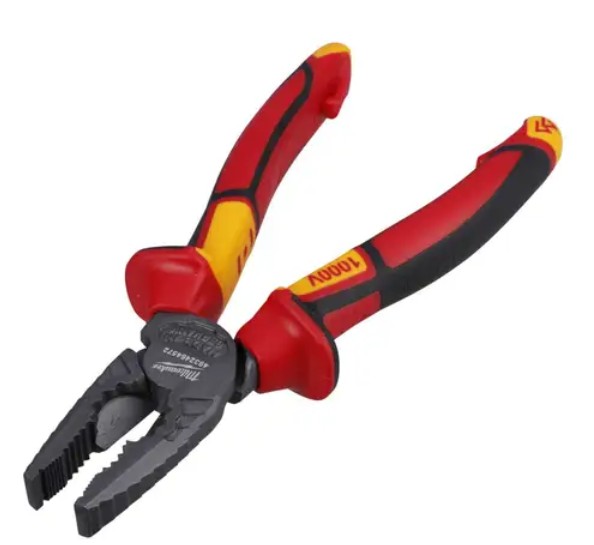
Hit the end of a cold chisel or a bolster enough times and the struck end spreads out into a mushroom. That is not just untidy. The spreading is work hardening — the steel has been deformed cold, over and over, and cold-worked steel gets harder and more brittle as it goes.
So the rim of that mushroom is the most brittle metal on the tool, sitting exactly where the hammer lands. The next blow can shear a sliver off it at real speed, aimed roughly at your face, because that is where your face is when you are swinging a lump hammer at a chisel held at chest height.
This is why eye protection is not optional with a struck chisel, and why the fix is to grind the mushroom back off rather than to keep going. A minute on a grinder.
The three chisels, and why the trade keeps all three
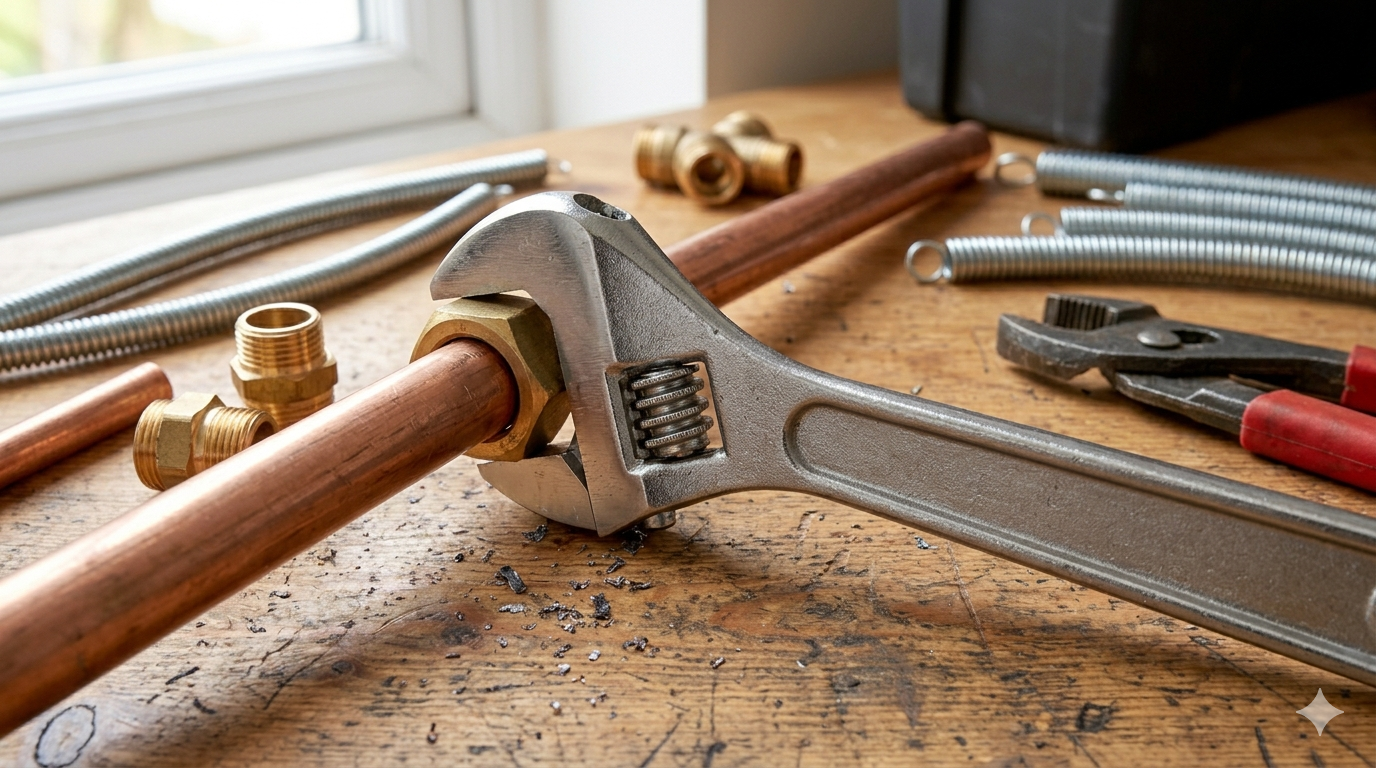
Three chisels for three materials, and using the wrong one ruins it:
- Wood chisel — timber only. Ground to a fine, keen edge. Put it into masonry once and the edge is gone.
- Cold chisel — metal and chasing brickwork. A blunter, stouter grind that survives being hit into hard material.
- Bolster — a wide blade for bricks, blocks and lifting floorboards. The width spreads the load, which is why it lifts a board without splitting it and a screwdriver does not.
The bolster and the cold chisel are the pair that get mixed up in exams. Wide and flat is the bolster; narrow and round-shanked is the cold chisel.
Take it out of use is a real answer
The maintenance list says make tools safe or remove them from use, and that second half is the part people miss. A split hammer shaft, a cracked handle, a bolster bent out of line — the right answer is not always to repair it. It is to take it out of service and tell someone, so nobody else picks it up.
On a well-run site that means a defect tag or a quarantine box rather than putting it back in the van and hoping. The point is that the next person is protected from a decision they never got to make.
What a first-fix roll actually holds
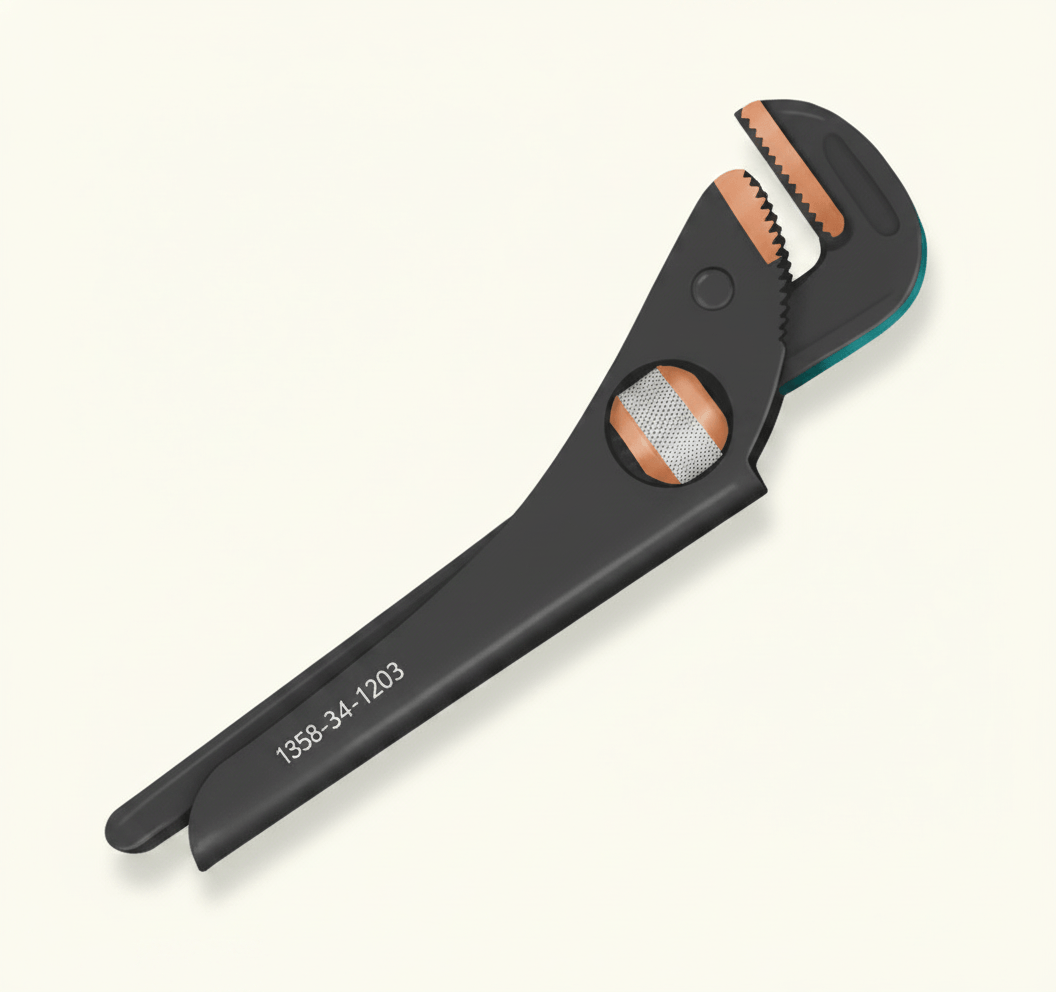
Fifteen tools sounds like a list to memorise until you realise it is roughly what lives in a plumber's bag anyway: two hammers, a level, a tape, a chalk line, an adjustable spanner, two screwdrivers, three chisels and four saws. The pad saw is the one apprentices skip and then need — it is the only saw that starts a cut in the middle of a board, from a drilled hole, which is exactly what cutting an access hatch in a floor requires.
What comes next
At Level 2 the tool list grows into pipe-working tools proper — benders, cutters, press jaws — and the same four questions follow them: what is it for, what goes wrong, how is it maintained, how is it used safely. The habit of answering all four is worth more than the list itself.
🔢 The numbers worth memorising
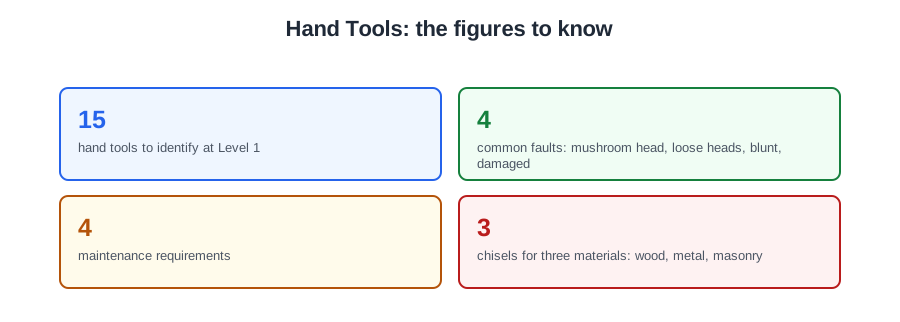
- 15
- hand tools to identify at Level 1
- 4
- common faults: mushroom head, loose heads, blunt, damaged
- 4
- maintenance requirements
- 3
- chisels for three materials: wood, metal, masonry
⚠️ Where people go wrong
- Learning only the names. Faults, maintenance and safety are separately assessed.
- Not knowing what a mushroom head is. It is the classic hand tool fault and it is asked about often.
- Mixing up the bolster and the cold chisel. Bolster is wide, for masonry and lifting boards; cold chisel is for metal and chasing.
- Forgetting what a pad saw is for. It cuts a hole in the middle of a board, starting from a drilled hole.
- Answering repair for every damaged tool. Sometimes the right answer is take it out of use and report it.
📝 8-Question Self-Test
Straight from the Level 1 course question bank. Click an option to see whether you got it right — the explanation appears instantly, and there is nothing to submit.
The bolster chisel has a wide blade for cutting brick and block and levering up floorboards.
Repeated striking spreads the end of a chisel or bolster into a mushroom shape, and pieces can fly off it.
Maintenance means sharpening points, replacing blades, and making tools safe or removing them from use.
A bolster chisel has a wide blade for cutting bricks and blocks and for lifting floorboards.
A pad saw has a narrow blade for cutting holes in the middle of a board, started from a drilled hole.
The struck end of a chisel or bolster spreads out into a mushroom shape. Pieces can fly off it — it is the classic hand tool fault.
Blunt chisels, saws and blades need more force, and force is what makes a tool slip.
Maintenance means making tools safe or removing them from use: grind off a mushroom head, re-wedge a loose hammer, or take the tool out of service and report it.
Going deeper: the same ground at Level 2
Level 1 gives you the shape of this. The Level 2 guides below take it considerably further — the regulations, the calculations and the detail you will need next. Free to read, same as these.
- Start here: Site Preparation for Level 1 Plumbers — the whole unit in one piece
- All 72 Level 1 guides — one per lesson, across all ten units
- The Level 1 glossary — 620 terms in plain English